Handling dates, time, and time zones is a very complex matter and gets even more complicated when you implement them into databases. PostgreSQL is well equipped to handle such complexities...
Let’s say you want to implement a password authentication method in a client/server protocol. How would you do that and what would be the possible problems? The following is the...
Discover how BDR and Kubernetes allow you to reach very high uptimes in a year for a database solution thanks to the fast failover capability. Watch the demo! In my...
PostgreSQL is a hyperconverged DBMS offering functionalities that otherwise require specialized database technology. Developing a Graph Database is one such use case. To explore Graph Databases in more detail, 2ndQuadrant...
PostgreSQL users are always interested in their system’s performance to know if any improvements need to be made or to generate the occasional health report requested by their managers. Standard...
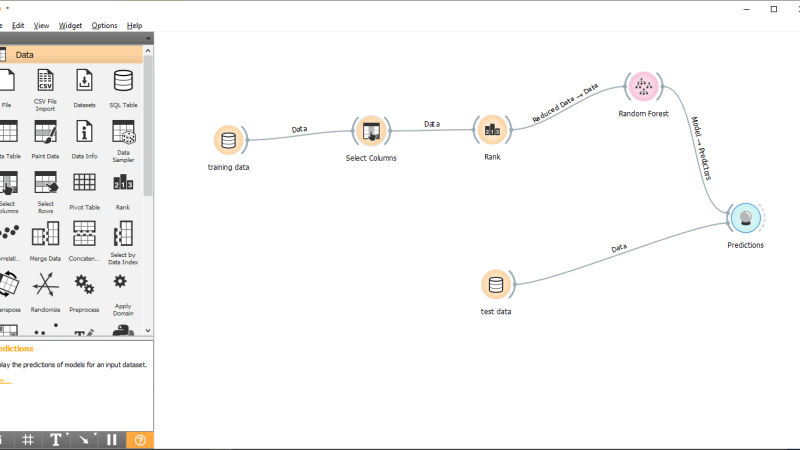
This article gives a step by step guide to utilizing Machine Learning capabilities with 2UDA. In this article, we’ll use examples of Animals to predict whether they are Mammals, Birds...
Identity Columns, initially rolled out in PostgreSQL 10, offer a standard-conforming and robust way to dynamically create auto-incrementing fields in tables. Generated Columns, computed from other columns, were first introduced...
Let’s wrap this up. In part 1 of this blog series, I explained the different Windows build targets supported by PostgreSQL. In part 2, I showed how to test patches...
The title is not clickbait or hyperbole. I intend to prove that by virtue of both design and implementation that PostgreSQL is objectively and measurably a better database than anything...
Increasing robustness of Full Text Search in PostgreSQL allows applications like Search Engines and Text Editing Software to utilize native support without the need for 3rd party search tools. The...